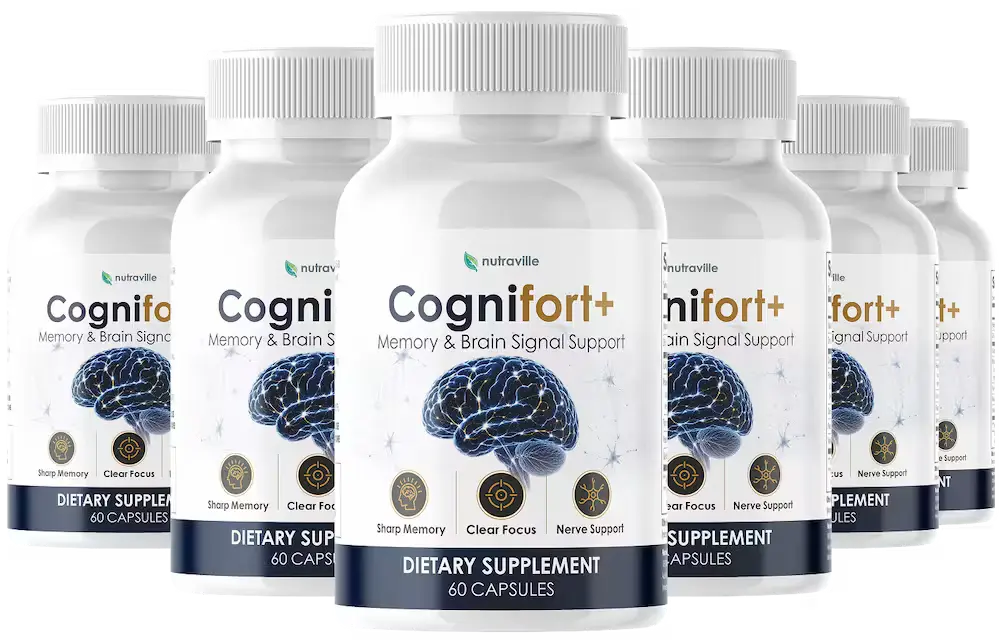
Nootropics Explained in Plain English — a CogniFort Plus guide
“Nootropic” appears on an enormous number of products and means far less than most buyers assume.
Where the Word Comes From
The term was coined in the early 1970s by a Romanian chemist, from Greek roots meaning roughly “mind-bending”. His original definition was strict: a substance that improved learning and memory, protected the brain, had very low toxicity and almost no side effects.
Almost nothing sold as a nootropic today meets that original definition. The word has become a marketing category rather than a scientific one.
What Gets Sold Under the Label
Stimulants. Caffeine, and various plant sources of it. These work, briefly, and cost you sleep. Most focus products are essentially this.
Botanicals. Bacopa, ginkgo, ginseng, rhodiola, lion’s mane. Gradual, modest, with evidence bases ranging from reasonable to thin. This is the category CogniFort Plus sits in.
Amino acids and derivatives. L-theanine, tyrosine, and similar. Some have specific, narrow research behind them.
Vitamins and minerals. Genuinely important if you are deficient, and largely irrelevant if you are not.
Prescription medications used off-label. A different category entirely, with real risks, and not something to source outside a doctor.
The Honest Hierarchy of Evidence
- Correcting an actual deficiency. If you are low in B12 or iron, fixing that produces real cognitive change. Everything else on this list is smaller.
- Caffeine. Reliably effective and reliably costly if timed badly.
- A handful of botanicals with reasonable human trials — Bacopa is the clearest example in this formula.
- Everything else, where the research is early, preclinical, or conducted at doses no capsule delivers.
Four Questions to Ask Any Nootropic
- Is every ingredient amount stated? If several are grouped under an invented blend name, you cannot assess the product.
- Are extracts standardised? A percentage of a named marker compound turns a weight into a known quantity.
- Was the research in humans, and at what dose? Laboratory and rodent findings are commonly presented as though they were human evidence.
- Does it contain a stimulant you were not expecting? Caffeine hides behind names like guarana, kola nut and green tea extract.
What to Expect, Realistically
From a botanical formula: something gradual and modest over 60 to 90 days, in someone whose sleep and activity are already reasonable. Not a transformation, and nothing you will feel on day three.
Our label-reading guide goes through the checks in more detail.
These statements have not been evaluated by the Food and Drug Administration. This product is not intended to diagnose, treat, cure or prevent any disease. CogniFort Plus is a dietary supplement for healthy adults and is not a treatment for dementia, Alzheimer’s disease or any other medical condition. Consult your doctor before use if you take medication, are pregnant or nursing, or have a medical condition. Individual results vary.